Skin as a Reflection of Overall Health
Your skin does more than protect your body. It often reflects what is happening internally. As the body’s largest organ, skin responds to changes in hydration, nutrition, hormones, and overall health.
Because of this connection, shifts in skin appearance can provide early clues about underlying imbalances. Dryness, breakouts, or irritation may seem minor at first. However, these changes sometimes signal deeper health concerns.
Today, there is growing awareness of whole-body wellness. People are beginning to understand that healthy skin is not just about topical products. Instead, it is closely tied to daily habits and overall health.
At Pine Point Medical, we take a broader approach. Skin health is viewed as part of a larger picture that includes preventative care, lifestyle habits, and long-term wellness.
How Skin Reflects Internal Health
The condition of your skin is influenced by several internal factors. These elements work together, often in subtle ways, to affect how your skin looks and feels.
Hydration Levels
Proper hydration supports skin elasticity and moisture. When the body lacks hydration, skin may appear dull, dry, or less resilient.
Nutrition Deficiencies
Nutrients such as vitamins A, C, and E play important roles in maintaining skin health. A lack of these nutrients may lead to changes in texture, tone, or healing.
Hormonal Balance
Hormones influence oil production, inflammation, and skin turnover. Imbalances can contribute to acne, breakouts, or uneven skin tone.
Stress and Sleep Patterns
Stress and poor sleep can affect the skin’s ability to repair itself. Increased cortisol levels may lead to inflammation, which can show up as breakouts or irritation.
These internal factors highlight an important point. Skin health is not isolated. It reflects how well the body is functioning overall.
Lifestyle Factors That Impact Skin Health
Daily habits play a major role in how your skin looks and feels over time. Small changes in lifestyle can lead to noticeable improvements.
Nutrition
Nutrition is one of the most influential factors in skin health. Diets rich in whole foods, fruits, vegetables, and healthy fats support skin function and repair.
Antioxidants help protect the skin from environmental damage. At the same time, processed foods and excess sugar may contribute to inflammation, which can affect skin clarity and aging.
Hydration
Water supports nearly every function in the body, including skin health. Adequate hydration helps maintain skin elasticity and promotes a healthy appearance.
Without enough hydration, skin may become dry, tight, or more prone to irritation.
Sleep and Stress
Sleep allows the body to repair and regenerate. During this time, skin cells renew and recover from daily stressors.
Chronic stress, however, can increase inflammation and disrupt normal skin processes. This may contribute to acne, redness, or premature aging.
Over time, these factors can significantly influence how skin responds and recovers.
The Role of Preventative Skincare
Preventative care is one of the most effective ways to maintain healthy skin over time. Rather than reacting to problems after they develop, preventative strategies focus on reducing risk.
Key preventative practices include:
- Sun protection to reduce damage from UV exposure
- Early treatment of skin concerns before they worsen
- Regular evaluations to monitor changes over time
According to the American Academy of Dermatology, skin health is closely linked to lifestyle factors and preventative care practices.
Taking a proactive approach can help maintain skin health and reduce the likelihood of more serious concerns.
When Skin Changes Signal Something More
While many skin concerns are minor, some changes may indicate underlying health issues.
It is important to pay attention to:
- Persistent or worsening acne
- Unexplained rashes or irritation
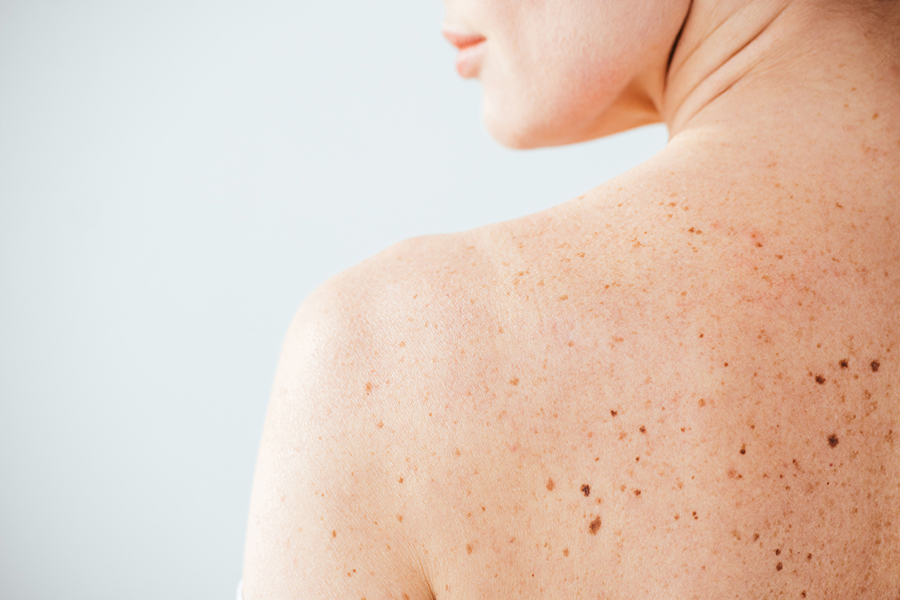
- Changes in moles or pigmentation
- Skin conditions that do not improve with basic care
In some cases, these symptoms may be linked to internal factors such as hormonal changes, immune responses, or metabolic conditions.
The National Institutes of Health notes that skin can serve as an early indicator of broader health conditions, making evaluation important when changes persist.
Recognizing these signs early allows for more effective care and better outcomes.
How Medical Care Supports Skin Health
Although many people rely on over-the-counter products, professional evaluation can provide a more accurate understanding of skin concerns.
Medical care offers:
- Clear diagnosis of underlying causes
- Personalized treatment options
- Integration with overall health planning
Rather than treating symptoms alone, providers consider how skin health connects to other aspects of wellness. This approach leads to more effective and lasting results.
How Pine Point Medical Approaches Whole-Body Wellness
At Pine Point Medical, skin health is viewed as part of a broader wellness strategy. Providers recognize the connection between internal health and outward appearance.
This approach includes:
- Preventative care and regular checkups
- Patient education on lifestyle habits
- Support for long-term health improvements
Patients throughout Ithaca and the Finger Lakes region benefit from care that focuses not only on symptoms, but also on the factors that influence overall health.
By addressing both internal and external factors, Pine Point Medical helps patients build sustainable habits that support long-term wellness.
Healthy Skin Starts From Within
Healthy skin is not just the result of skincare products. It reflects daily choices, habits, and overall health.
Small changes can make a meaningful difference. Improving hydration, adjusting nutrition, managing stress, and prioritizing sleep all contribute to healthier skin over time.
When combined with preventative care and professional guidance, these habits support both skin health and overall wellbeing.
Choosing a whole-body approach allows you to move beyond surface-level solutions and focus on long-term results.
Contact us today to discuss your skin health concerns and learn how whole-body wellness can support healthier skin.
—————
FAQs About Skin Health and Wellness
Can poor nutrition affect my skin?
Yes. Diet plays a major role in skin health. Nutrient deficiencies and high sugar intake may contribute to inflammation and skin issues.
How much does hydration impact skin appearance?
Hydration helps maintain skin elasticity and moisture. Low hydration levels can lead to dryness and a dull appearance.
Can stress cause skin problems?
Yes. Stress increases cortisol levels, which may lead to inflammation, breakouts, and other skin concerns.
When should I see a medical provider for a skin issue?
If a skin condition persists, worsens, or does not respond to basic care, it is best to seek professional evaluation.
Is skincare alone enough for healthy skin?
No. While skincare products help, long-term skin health also depends on nutrition, hydration, sleep, and overall wellness.