
Preventative Care Is About More Than Feeling Sick
Many people only schedule a doctor’s appointment when something feels wrong. However, annual checkups serve a very different purpose. These visits focus on prevention, early detection, and long-term wellness rather than treating sudden illness alone.
At Pine Point Medical, annual checkups are viewed as an important part of maintaining overall health. Even when you feel well, routine visits help providers monitor changes, identify potential concerns early, and build a more complete picture of your health over time.
Preventative care may not always feel urgent. Still, it can make a significant difference in long-term outcomes.
What Happens During an Annual Checkup?
Annual checkups are designed to evaluate overall health rather than focus on one isolated symptom.
During these visits, providers may:
- Review medical history and medications
- Check blood pressure, heart rate, and weight
- Discuss sleep, nutrition, stress, and exercise habits
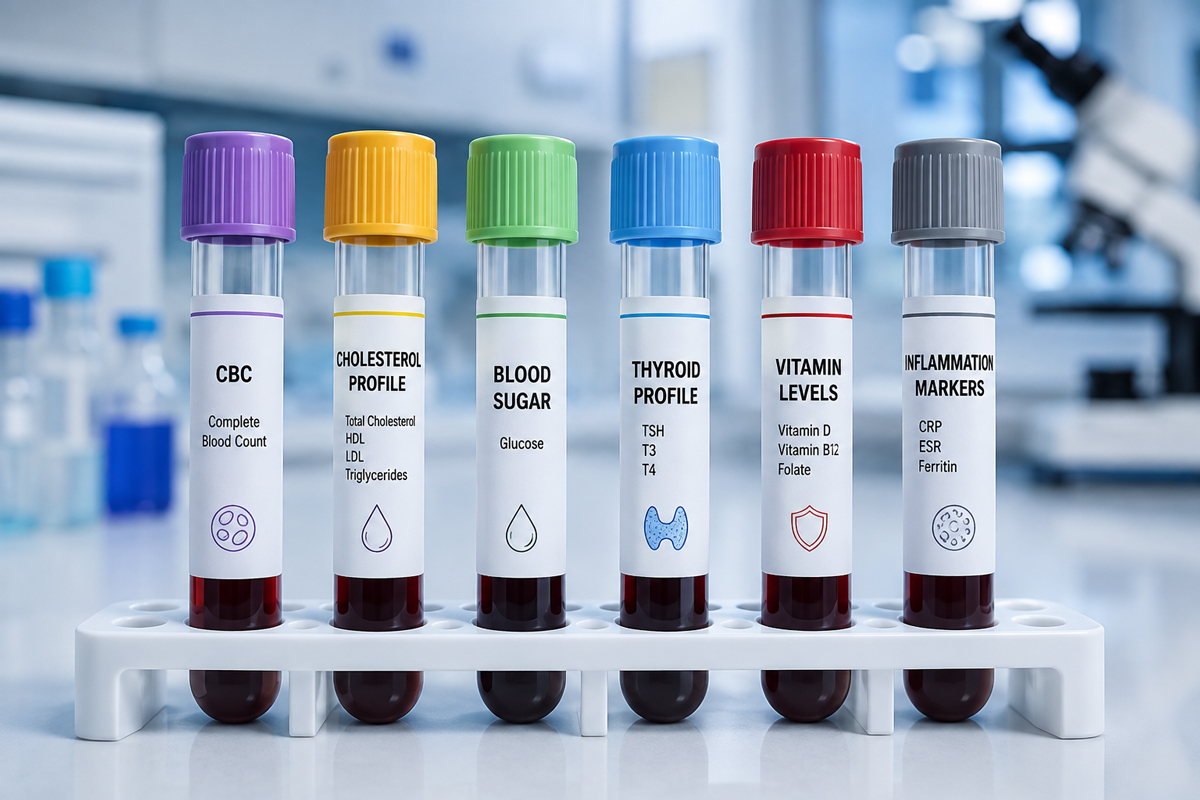
- Recommend preventative screenings or lab work
- Address new concerns before they become larger issues
These appointments also create an opportunity to discuss changes that might otherwise go overlooked. Fatigue, sleep disruption, digestive issues, or recurring infections may seem minor individually, but together they can reveal important patterns.
According to the Centers for Disease Control and Prevention (CDC), routine preventative care helps detect health concerns early when treatment is often more effective.
Early Detection Can Improve Long-Term Health
One of the biggest benefits of annual checkups is early detection.
Many chronic conditions develop gradually and may not cause noticeable symptoms at first. High blood pressure, diabetes, elevated cholesterol, and certain cancers can progress quietly for years before becoming more serious.
Routine screenings help identify these issues earlier, often before complications develop.
For example, preventative screenings may include:
- Blood pressure monitoring
- Diabetes screening
- Cholesterol testing
- Cancer screenings based on age and risk factors
The CDC notes that regular screenings improve the likelihood of detecting conditions such as breast, cervical, colorectal, and lung cancers earlier, when treatment may be more successful.
Early detection does not simply improve treatment options. It may also reduce long-term complications and healthcare costs.
Annual Checkups Help Build Continuity of Care
Healthcare works best when providers understand the full picture of a patient’s health history.
Annual visits allow providers to track changes over time rather than evaluating isolated symptoms during occasional urgent visits. This continuity often leads to more accurate diagnoses and more personalized care.
At Pine Point Medical, primary care focuses on long-term relationships and patient-centered care. This approach helps providers identify patterns, monitor chronic conditions, and make recommendations based on each individual’s health history and lifestyle.
Patients who establish consistent primary care often feel more comfortable discussing concerns early rather than waiting until symptoms worsen.
Preventative Care Goes Beyond Physical Health
Annual checkups also create space to discuss factors that influence overall wellness beyond physical symptoms alone.
Topics may include:
- Sleep quality
- Stress management
- Nutrition habits
- Mental health
- Physical activity
- Lifestyle changes
These conversations matter because many aspects of health are interconnected. Chronic stress, poor sleep, and lifestyle habits can influence everything from immune function to metabolic health.
In our blog “Preventing Chronic Infections,” we discuss how preventative strategies and overall wellness habits can support long-term immune health. These same principles often play an important role during annual checkups.
Why Many People Delay Annual Checkups
Despite the benefits, many adults postpone preventative care.
Some people feel healthy and assume they do not need a checkup. Others delay appointments because of busy schedules, uncertainty about symptoms, or concerns about healthcare costs.
However, waiting until symptoms become severe often leads to more complicated treatment later.
Preventative visits allow providers to identify smaller concerns before they become larger health issues. In many cases, simple lifestyle adjustments or early interventions can help reduce future complications.
Annual Checkups Support Personalized Healthcare
No two patients have identical health needs. Age, family history, lifestyle, and medical history all influence which screenings and preventative measures may be appropriate.
For example:
- Family history may increase certain risks
- Lifestyle factors may affect metabolic health
- Existing conditions may require regular monitoring
According to the U.S. Department of Health and Human Services, preventative care may include screenings, counseling, vaccinations, and health education designed to support long-term wellness.
Because these recommendations vary by individual, personalized care remains essential.
The Connection Between Primary Care and Long-Term Wellness
Primary care provides more than treatment for illness. It serves as the foundation for long-term health management.
At Pine Point Medical, providers focus on helping patients make informed decisions about their health through preventative care, screenings, and ongoing guidance.
Patients throughout Ithaca, Cortland, Dryden, Auburn, and the Finger Lakes region often rely on consistent primary care to support both immediate concerns and long-term wellness goals.
In our article “Comprehensive Healthcare in Ithaca, Cortland, Dryden, and Auburn, NY,” we discuss how accessible, patient-centered care supports healthier communities and stronger long-term outcomes.
Small Appointments Can Prevent Bigger Problems
Annual checkups may seem routine, but they often provide valuable insight into overall health.
A simple blood pressure reading, screening recommendation, or conversation about symptoms may help identify concerns earlier than expected. These visits also help patients stay informed about preventative care recommendations as they age.
Healthcare should not begin only when symptoms appear. Preventative care helps patients stay proactive rather than reactive.
Prioritizing Your Health Starts With Consistency
Long-term health is built through consistency, not occasional attention. Annual checkups create opportunities to monitor changes, discuss concerns, and build healthier habits over time.
At Pine Point Medical, our team focuses on personalized, preventative care designed to support long-term wellness for patients throughout Ithaca and the Finger Lakes region.
If it has been a while since your last annual checkup, scheduling a preventative visit can be an important step toward protecting your long-term health.
FAQs About Annual Checkups
How often should adults schedule annual checkups?
Most adults should schedule a preventative checkup once per year, although recommendations may vary based on health history and age.
What is the purpose of an annual checkup?
Annual checkups focus on preventative care, screenings, monitoring overall health, and identifying concerns before symptoms become more serious.
Do annual checkups include bloodwork?
In many cases, providers may recommend bloodwork based on age, medical history, risk factors, or preventative screening guidelines.
Can annual checkups help prevent chronic disease?
Yes. Preventative screenings and early intervention may help reduce complications related to chronic conditions such as diabetes or high blood pressure.
Why is having a primary care provider important?
A primary care provider tracks your health over time, coordinates care, and helps support long-term wellness through personalized guidance.