Why More Patients Are Comparing Popular GLP-1 Medications: Semaglutide vs Tirzepatide
Medical weight loss treatments have changed significantly in recent years. More patients are now exploring medications like semaglutide and tirzepatide as part of a medically supervised approach to weight management.
Although both medications belong to the GLP-1 category, they are not identical. Each works differently within the body, and understanding those differences can help patients make more informed decisions about treatment options.
At Pine Point Medical, patients frequently ask how semaglutide compares to tirzepatide, especially when considering long-term weight loss goals, appetite regulation, and side effect management.
Understanding how these medications work is an important first step toward choosing the right approach.
What Are GLP-1 Weight Loss Medications?
GLP-1 medications mimic natural hormones involved in appetite regulation and blood sugar control. These hormones help signal fullness to the brain after eating, which can reduce cravings and support portion control.
As a result, many patients experience:
- Reduced appetite
- Improved satiety
- Better metabolic regulation
- Gradual, sustainable weight loss
Semaglutide and tirzepatide are two of the most widely discussed medications in this category.
According to the National Institute of Diabetes and Digestive and Kidney Diseases, GLP-1 medications can support long-term weight management when combined with lifestyle changes and medical supervision.
What Is Semaglutide?
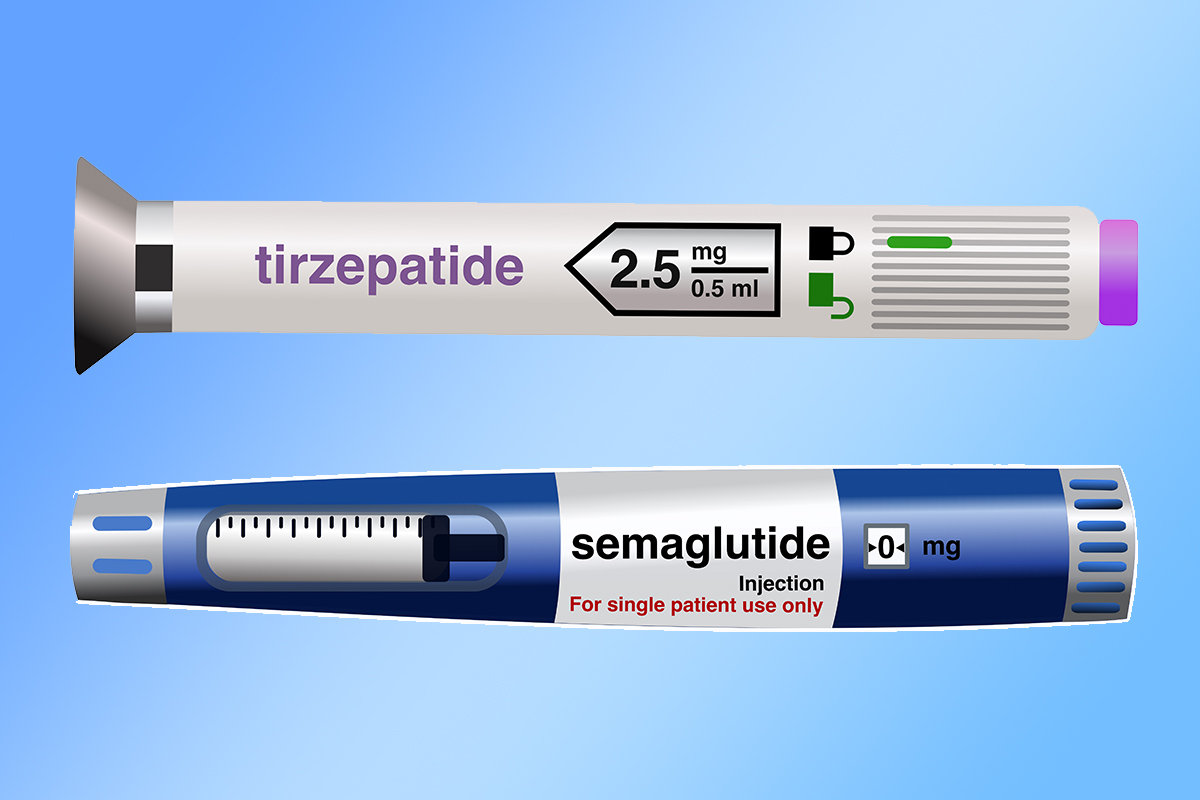
Semaglutide is a GLP-1 receptor agonist that mimics the body’s natural GLP-1 hormone.
This medication helps regulate appetite by:
- Slowing stomach emptying
- Increasing feelings of fullness
- Reducing hunger signals
Semaglutide is available under several brand names, including:
- Ozempic®
- Wegovy®
- Rybelsus®
Many patients taking semaglutide notice gradual appetite reduction over time. In addition, some individuals find it easier to maintain healthier eating habits because cravings become more manageable.
What Is Tirzepatide?
Tirzepatide is a medication that targets both GLP-1 and GIP hormone receptors, creating a dual-action approach to appetite and metabolic regulation.
This medication may support weight loss by:
- Reducing hunger signals
- Increasing feelings of fullness
- Supporting blood sugar and metabolic regulation
Because tirzepatide works on two hormone pathways instead of one, some patients experience stronger appetite suppression or more significant weight loss results.
Tirzepatide is available under brand names including:
- Mounjaro®
- Zepbound®
Many patients taking tirzepatide notice gradual changes in appetite and eating habits over time. However, individual response can vary depending on factors such as metabolism, lifestyle, and medication tolerance.
The Biggest Difference Between Semaglutide and Tirzepatide
The primary difference between these medications is how they interact with the body’s hormone systems.
Semaglutide:
- Targets the GLP-1 pathway only
- Focuses on appetite regulation and fullness
Tirzepatide:
- Targets both GLP-1 and GIP pathways
- May create a broader metabolic response
Although this difference sounds technical, it can influence how patients respond to treatment.
Some individuals respond extremely well to semaglutide, while others may benefit more from tirzepatide’s dual-action approach. The best option depends on several factors, including health history, metabolic health, medication tolerance, side effect response, and long-term weight loss goals.
How Do Weight Loss Results Compare?
Both medications can support meaningful weight loss when paired with healthy lifestyle habits and medical supervision.
However, research has shown that tirzepatide may produce greater average weight reduction in some patients.
According to the American Diabetes Association, studies comparing GLP-1 medications have demonstrated significant weight loss potential for both semaglutide and tirzepatide.
Still, numbers alone do not tell the whole story.
Successful weight loss depends on:
- Consistency
- Nutrition
- Physical activity
- Sleep and stress management
- Long-term habit changes
This is why medically supervised programs remain important.
Comparing Side Effects
Like many medications, semaglutide and tirzepatide can cause side effects, particularly during dose increases. Common symptoms may include nausea, digestive discomfort, bloating, fatigue, or changes in appetite. However, severity and tolerance vary widely from person to person.
Some patients tolerate one medication better than the other. Additionally, some individuals prefer a slower dosing strategy to reduce discomfort.
In our blog, “Microdosing GLP-1 Medications: A Gradual Approach to Weight Loss,” we discuss how gradual dose adjustments may help some patients minimize side effects while still making progress.
Because tolerance varies widely, individualized treatment plans are essential.
Why Medical Supervision Matters
Choosing between semaglutide and tirzepatide should involve more than comparing online reviews or social media experiences.
Medical supervision helps providers:
- Monitor progress safely
- Adjust dosing appropriately
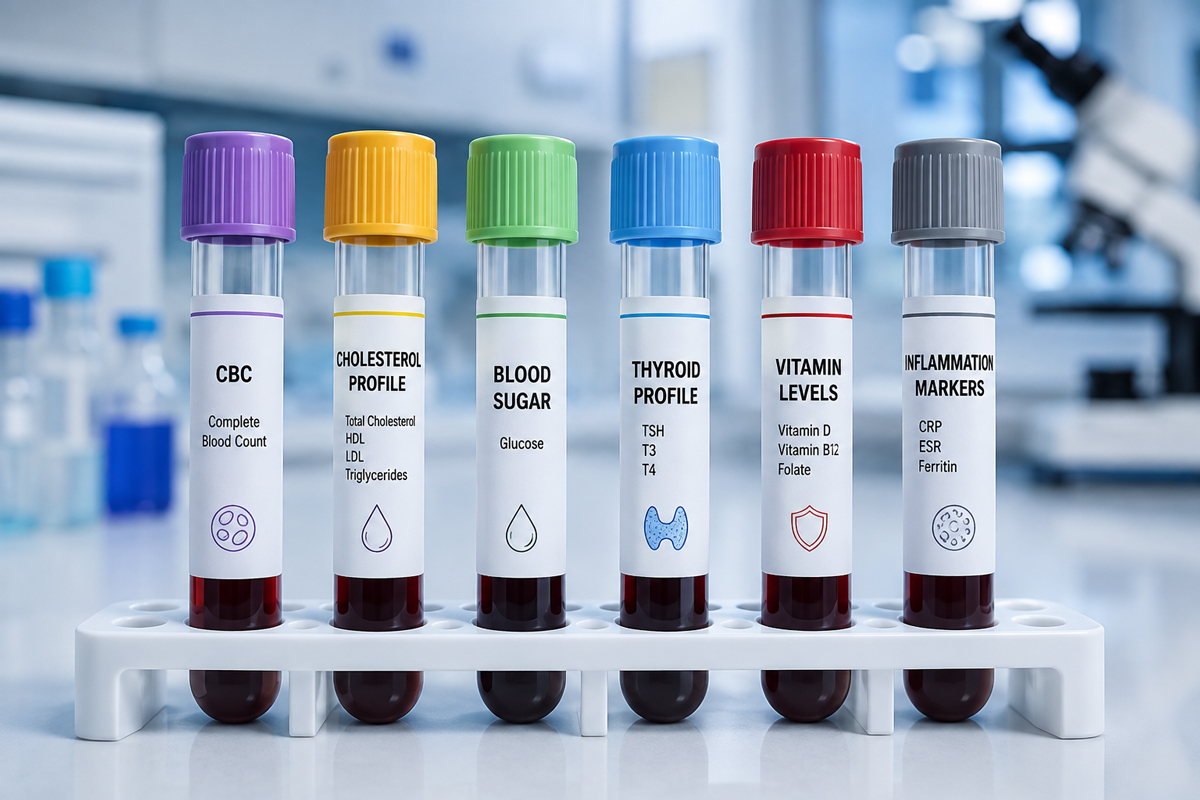
- Track metabolic health
- Manage side effects early
At Pine Point Medical, weight loss programs are tailored to the individual. Providers evaluate each patient’s health history, goals, and lifestyle before recommending treatment options.
This personalized approach helps support safer, more sustainable results.
Supporting Weight Loss Beyond Medication
Although medication can play a powerful role in appetite regulation, long-term success often depends on supportive lifestyle habits alongside medication. Improved nutrition, regular movement, strength training, sleep quality, and stress management all play important roles in sustainable weight loss.
At Pine Point Medical, some patients also participate in Medically Supervised Athletic Training. This program supports strength, mobility, and long-term wellness while complementing medical weight loss treatment.
Combining movement, lifestyle support, and medical guidance often leads to more sustainable outcomes.
Patients interested in learning more can also explore our Weight Loss Treatments page for additional information about semaglutide, tirzepatide, and medically supervised care.
Which Medication Is Right for You?
There is no universal “best” medication for weight loss. Some patients respond exceptionally well to semaglutide. Others may achieve better results with tirzepatide.
The most effective treatment plan depends on the individual.
Several factors influence which medication may be the better fit. Providers consider appetite patterns, existing medical conditions, lifestyle habits, side effect tolerance, and long-term health goals before recommending treatment.
Working with a medical provider allows these factors to be evaluated carefully and safely.
Start Your Medical Weight Loss Journey
Weight loss is not one-size-fits-all. Understanding the differences between semaglutide and tirzepatide can help you make more informed decisions about your health and treatment options.
At Pine Point Medical, our medically supervised programs focus on personalized care, sustainable habits, and long-term wellness.
If you are interested in exploring medical weight loss treatments, contact Pine Point Medical today to schedule a consultation and discuss which approach may align best with your goals.
FAQs About Semaglutide and Tirzepatide
Is tirzepatide stronger than semaglutide?
Tirzepatide works on two hormone pathways instead of one, which may lead to stronger appetite suppression for some patients. However, results vary individually.
Do semaglutide and tirzepatide work the same way?
Not exactly. Both affect GLP-1 receptors, but tirzepatide also targets GIP receptors, creating a dual-action effect.
Which medication causes fewer side effects?
Tolerance differs from person to person. Some individuals tolerate semaglutide better, while others respond more comfortably to tirzepatide.
Can lifestyle habits still affect weight loss results?
Yes. Nutrition, exercise, sleep, and stress management all influence long-term weight loss success, even while taking medication.
How do providers decide which medication to prescribe?
Providers consider factors such as medical history, weight loss goals, side effect tolerance, and overall metabolic health before recommending treatment.
————————-