
Weight Loss Is About More Than Calories
Many people approach weight loss by focusing only on calories and exercise. While nutrition and movement are important, they are only part of the picture. Hormones also play a major role in how the body regulates appetite, stores fat, uses energy, and responds to stress.
As a result, two people following similar habits may experience very different outcomes. Some individuals lose weight relatively easily, while others struggle despite consistent effort.
At Pine Point Medical, patients often ask why weight loss feels more difficult than expected. In many cases, hormones are part of the answer.
Understanding how hormones influence weight can help patients make more informed decisions about treatment, lifestyle habits, and long-term wellness.
What Are Hormones?
Hormones are chemical messengers produced by glands throughout the body. They help regulate essential functions such as metabolism, hunger, sleep, energy levels, and stress response.
These signals constantly communicate with organs, muscles, and the brain. When hormone levels become imbalanced, the body’s ability to regulate weight may also change.
Several hormones are especially important when it comes to weight management.
Hormones That Influence Weight Loss
Insulin
Insulin helps regulate blood sugar levels by moving glucose into cells for energy. However, when insulin resistance develops, the body may store more fat and struggle to use energy efficiently.
Over time, insulin resistance can make weight loss more challenging.
Cortisol
Cortisol is often called the “stress hormone.” Although cortisol serves an important purpose, chronically elevated stress levels may contribute to increased appetite, cravings, and fat storage.
Many people also notice that stress affects sleep quality, which can further disrupt metabolic health.
Leptin and Ghrelin
Leptin and ghrelin help regulate hunger and fullness.
- Leptin signals the brain that the body is full
- Ghrelin stimulates hunger
When these hormones become disrupted, appetite regulation becomes more difficult. This can contribute to overeating, cravings, and inconsistent energy levels.
GLP-1
GLP-1 is a hormone involved in appetite regulation and blood sugar balance. It helps signal fullness after eating and slows stomach emptying.
This hormone has become increasingly important in medical weight loss treatments because GLP-1 medications mimic these natural signals to help regulate appetite.
According to the National Institute of Diabetes and Digestive and Kidney Diseases, hormones involved in appetite and metabolism significantly influence long-term weight regulation.
Why Hormonal Imbalances Can Affect Weight Loss
Hormones influence much more than hunger alone. They also affect:
- Energy levels
- Fat storage
- Sleep quality
- Metabolism
- Muscle preservation
Because these systems are connected, hormonal changes can create challenges even when someone is eating well and exercising consistently.
For example, chronic stress may increase cortisol levels, which can contribute to cravings and disrupted sleep. Poor sleep may then affect appetite hormones, creating a cycle that becomes difficult to break.
This is one reason weight loss is rarely as simple as “eat less and move more.”
The Connection Between Hormones and Appetite
Many patients describe feeling frustrated by constant hunger or cravings during weight loss attempts. In some cases, hormonal signals may contribute to these patterns.
Hormones help determine:
- How hungry you feel
- How full you feel after eating
- How quickly hunger returns
- How the body stores energy
When appetite regulation becomes disrupted, maintaining healthy eating habits can feel significantly harder.
This is why modern medical weight loss programs increasingly focus on appetite regulation rather than calorie restriction alone.
How GLP-1 Medications Support Hormonal Regulation
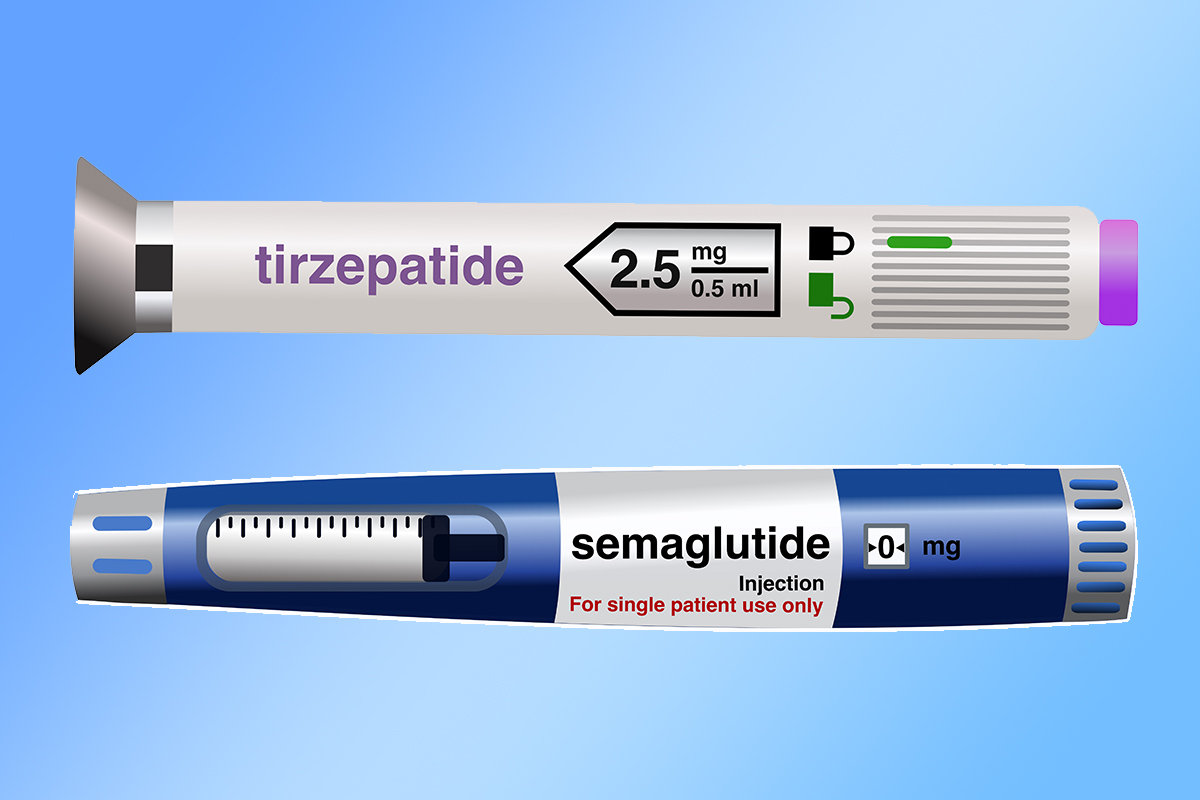
GLP-1 medications such as semaglutide and tirzepatide work by mimicking hormones involved in fullness and appetite regulation.
These medications may help patients:
- Feel satisfied sooner
- Reduce cravings
- Improve appetite control
- Support metabolic health
In our blog “Semaglutide vs Tirzepatide,” we discuss how these medications work differently and why treatment plans should be individualized.
Additionally, some patients explore slower dosing strategies discussed in “Microdosing GLP-1 Medications: A Gradual Approach to Weight Loss.” For certain individuals, gradual adjustments may help support comfort and long-term consistency.
Medical supervision remains important because hormone-related treatments should always be personalized and monitored carefully.
Lifestyle Habits Still Matter
Although hormones strongly influence weight regulation, lifestyle habits remain essential.
Healthy habits help support hormonal balance and long-term wellness. These habits include:
- Balanced nutrition
- Strength training and movement
- Sleep quality
- Stress management
- Consistent routines
At Pine Point Medical, weight loss programs focus on combining medical guidance with sustainable lifestyle changes.
Some patients also benefit from “Medically Supervised Athletic Training: A Smarter, Insurance-Covered Approach to Fitness and Weight Loss.” This program supports safe movement, strength development, and long-term health while complementing medical treatment plans.
According to the American Psychological Association, chronic stress can significantly impact eating behaviors, sleep patterns, and overall physical health.
This connection highlights why stress management is often an important part of sustainable weight loss.
Why Personalized Weight Loss Care Matters
Hormones affect individuals differently. Some people struggle primarily with appetite regulation. Others experience issues related to stress, metabolism, or energy balance.
Because of this, effective treatment plans should be individualized rather than generalized.
At Pine Point Medical, providers evaluate:
- Health history
- Lifestyle habits
- Weight loss goals
- Medication tolerance
- Metabolic health factors
This personalized approach helps patients build sustainable strategies rather than relying on quick fixes.
Patients interested in learning more can also explore our Weight Loss Treatments page for additional information about medically supervised options.
Understanding the Bigger Picture
Weight loss is rarely about willpower alone. Hormones, metabolism, stress, sleep, and lifestyle habits all interact in complex ways.
Understanding these connections helps patients move away from frustration and toward more informed, sustainable strategies.
By combining medical guidance with supportive lifestyle habits, many individuals are able to approach weight loss with greater confidence and long-term success.
Start Your Weight Loss Journey With Personalized Support
At Pine Point Medical, medical weight loss programs focus on the full picture of health, including hormones, metabolism, nutrition, movement, and long-term wellness.
If you are struggling with appetite regulation, weight management, or inconsistent progress, our team can help you explore personalized treatment options designed to support sustainable results.
Contact Pine Point Medical today to schedule a consultation and learn more about medically supervised weight loss programs in Ithaca and the Finger Lakes region.
—————
FAQs About Hormones and Weight Loss
Can hormones really affect weight loss?
Yes. Hormones influence appetite, metabolism, energy balance, fat storage, and hunger signals, all of which affect weight management.
What hormone is most connected to appetite?
Several hormones influence appetite, including GLP-1, leptin, ghrelin, and insulin. These hormones help regulate hunger and fullness.
Can stress hormones contribute to weight gain?
Yes. Chronic stress may elevate cortisol levels, which can increase cravings, disrupt sleep, and influence fat storage.
Do GLP-1 medications affect hormones?
Yes. GLP-1 medications mimic natural hormones involved in appetite regulation and fullness signaling.
Why does weight loss vary from person to person?
Factors such as hormones, metabolism, sleep, stress, medical history, and lifestyle habits all influence weight loss differently.
————————-