Simple Health Steps to Take Before Holiday Travel
Holiday travel often comes with long to-do lists. You may be booking flights, buying gifts, planning meals, packing bags, and coordinating schedules with family and friends. Your health may not make the list until the last minute.
However, a little preparation can prevent avoidable problems once you are away from home. Whether you are driving a few hours for Thanksgiving, flying across the country for Christmas, or traveling internationally for the holidays, it helps to think ahead about medications, vaccines, chronic health conditions, and other health needs.
At Pine Point Medical, our Travel Prep and Vaccination services help patients prepare for everything from family vacations to international adventures. Here are a few things to consider before your next holiday trip.
Check Your Vaccines Before You Travel
Holiday travel often means airports, airplanes, crowded gatherings, and time spent indoors with people from different households. As a result, it is a good time to make sure your routine vaccinations are up to date.
If you are traveling internationally, your destination may also have specific vaccine recommendations or requirements.
The CDC Travelers’ Health guidance recommends checking destination-specific health information before international travel and, when possible, meeting with a healthcare provider or travel medicine specialist four to six weeks before departure.
That window gives you more time to complete vaccine schedules or start preventive medications when necessary. Still, if your trip is closer than that, don’t assume it is too late to ask for advice. A travel consultation may still help you prepare.
Pine Point Medical provides travel consultations and vaccines based on your destination, itinerary, health history, and individual risks.
Our article Why It Helps to Have a Travel Clinic That’s Actually Traveled also explains why real-world travel experience can make a difference when preparing patients for a trip.
Refill Prescriptions Before You Leave
Running out of medication while traveling can turn a relaxing holiday into a stressful one.
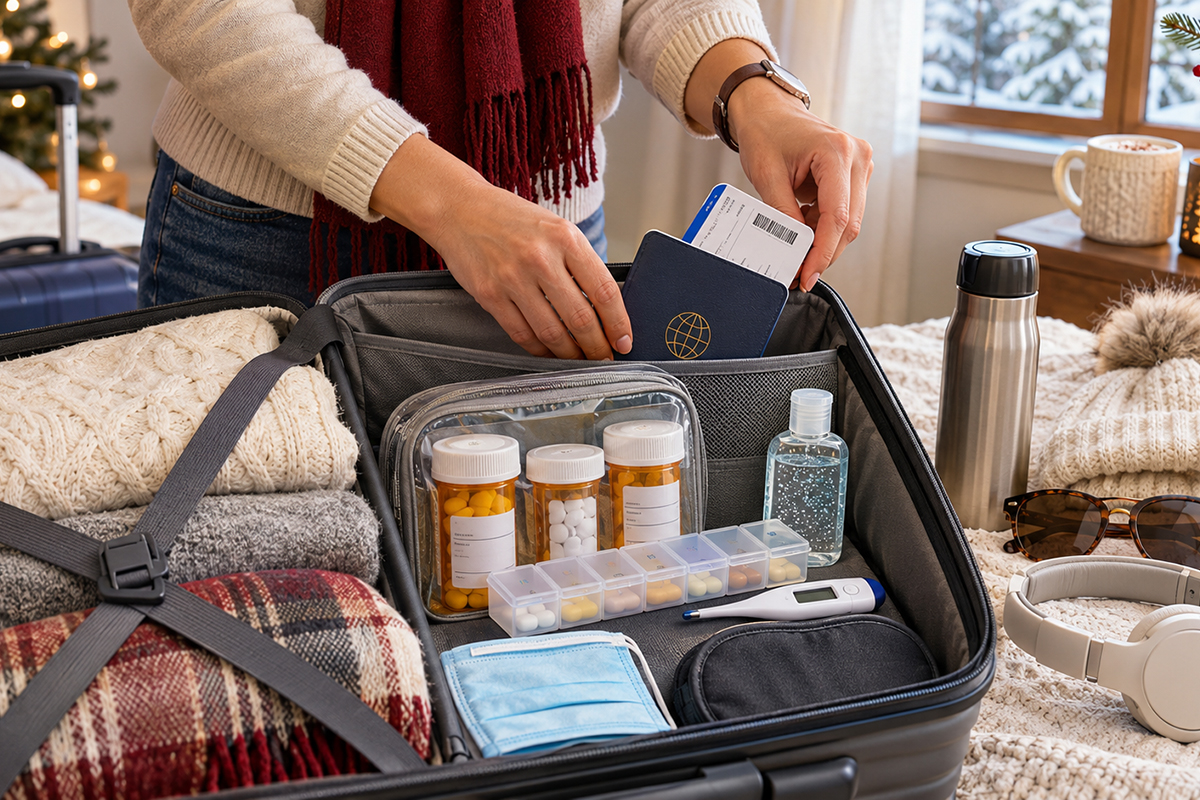
Before leaving, check how much medication you have available and whether you will need a refill. Consider bringing enough for your entire trip plus a small additional supply in case a flight is canceled, weather delays your return, or your plans change unexpectedly. Also make sure you know exactly what you take.
An updated medication list should include:
- Prescription medications
- Over-the-counter medications
- Vitamins and supplements
- Medication doses
- Allergies
- Important medical conditions
Our article Why Your Primary Care Provider Should Know Every Medication and Supplement You Take explains why maintaining an accurate medication list matters even when you’re not traveling.
For international trips, medication rules deserve extra attention. A medication that is legal and routinely prescribed in the United States may be restricted elsewhere. The U.S. Department of State’s international medication guidance recommends checking the rules for every country you plan to visit or travel through.
Whenever possible, keep prescription medications in their original labeled containers and carry important medications with you rather than placing everything in checked luggage.
Plan for Motion Sickness Before the Trip
Cars, planes, boats, cruises, and winding mountain roads can all trigger motion sickness. If you already know that you are prone to nausea or dizziness while traveling, talk with your healthcare provider before your trip rather than waiting until symptoms begin.
Several prescription and over-the-counter options may help, but the right choice depends on your health history, other medications, and the type of travel you are planning. Some motion sickness medications can also cause drowsiness or interact with other medications. Your provider can help you choose an option that makes sense for you.
Don’t Forget About Chronic Health Conditions
If you manage diabetes, high blood pressure, asthma, heart disease, or another chronic condition, holiday travel may change your normal routine. Meals may happen at different times. You may walk significantly more—or much less—than usual. Sleep schedules can change, and travel itself can add stress.
Before a longer trip, consider discussing your plans during a primary care appointment, particularly if your condition has recently changed or you are unsure how to manage medications across time zones. It can also help to carry a current medication list, emergency contact information, and any important medical information you might need if you require care away from home.
Prepare for the Unexpected
No one plans to get sick on vacation, but illnesses and injuries don’t take holidays. Before international travel, know how your health insurance works outside the United States. You may also want to research medical facilities near your destination and consider whether travel or medical evacuation insurance makes sense for your trip.
For domestic travel, identify where you would seek care if you became sick while away. A little preparation can make an unexpected situation much easier to manage.
Give Yourself Time to Prepare
Travel health is not only about getting a vaccine before an international trip. Good preparation considers your destination, medications, existing health conditions, planned activities, and individual risks. If you have holiday travel coming up, don’t leave your healthcare planning until the night before your flight.
At Pine Point Medical, our team provides travel medicine and vaccination services in Lansing and the greater Ithaca area to help patients prepare for travel safely and confidently. Schedule your travel consultation early so you can focus on enjoying the trip once it’s time to go.
Frequently Asked Questions About Holiday Travel Health
How far in advance should I schedule a travel medicine appointment?
For international travel, scheduling four to six weeks before departure is ideal when possible. Some vaccines require multiple doses or time to become fully effective. However, even last-minute travelers may benefit from a consultation.
Should I bring extra prescription medication when I travel?
It can be helpful to bring enough medication for your trip plus additional doses in case your return is delayed. International travelers should also check the medication laws for their destination.
Should medications go in my checked luggage?
Important medications are generally better kept in your carry-on belongings so you can access them if your checked luggage is delayed or lost.
Do I need a travel medicine appointment for domestic travel?
Not necessarily. However, you may want to speak with your healthcare provider if you have chronic medical conditions, need prescription refills, experience severe motion sickness, or have other health concerns related to your trip.
Do international trips always require special vaccines?
No. Recommendations vary depending on the country, region, season, activities, length of stay, and your individual health. A travel medicine provider can review your specific itinerary and make personalized recommendations.