Not Every Skin Spot Is Cause for Concern, but Changes Matter
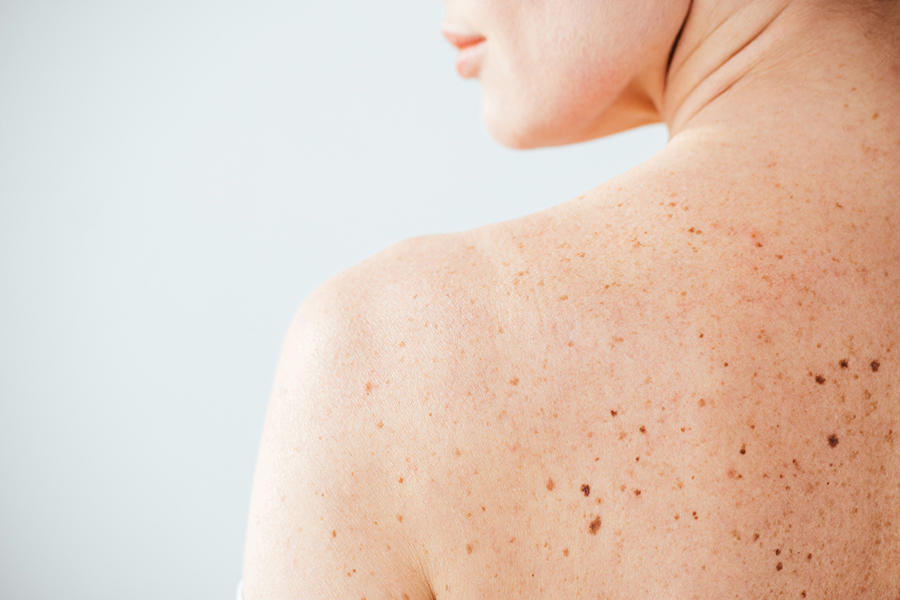
Most people have moles, freckles, sunspots, bumps, or other marks on their skin. Many of them remain harmless for years. However, when a spot appears suddenly, starts changing, refuses to heal, or simply looks different from everything around it, it deserves a closer look.
Knowing when to get a skin spot checked can help you address concerning changes earlier without assuming that every new mark means something serious.
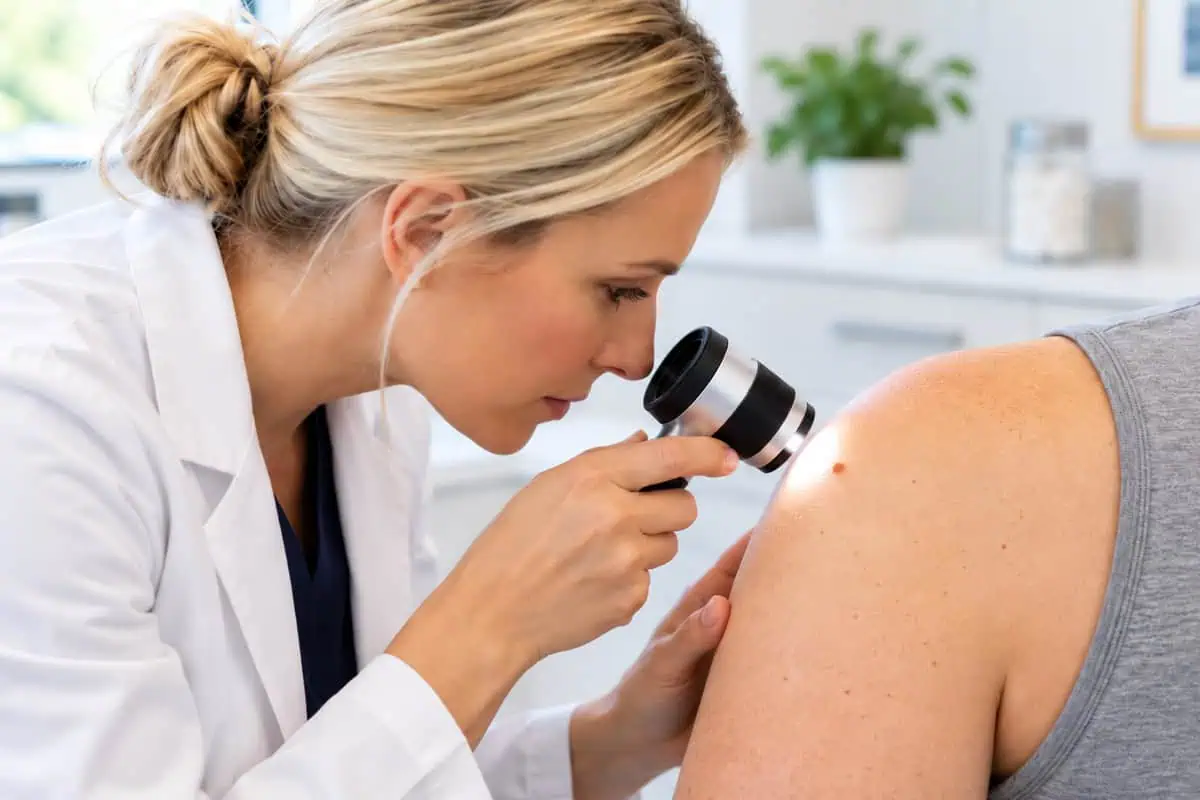
Your primary care provider can often serve as a good starting point. During an evaluation, your provider can look at the spot, ask about changes and symptoms, consider your medical and family history, and decide whether monitoring, treatment, biopsy, or a dermatology referral makes sense.
At Pine Point Medical, skin health fits into a broader approach to preventative care. As we discuss in our article about the connection between skin health and overall wellness, changes in your skin can sometimes provide useful information about your overall health.
What Changes in a Skin Spot Should You Watch For?
A spot does not have to hurt to deserve attention.
In fact, some concerning skin changes cause no discomfort at all. The American Academy of Dermatology recommends paying attention to spots that are new, changing, different from the others on your skin, itching, or bleeding.
Consider scheduling an evaluation if you notice:
- A new mole, bump, or growth
- A spot that changes in size or shape
- New or uneven colors
- An irregular or poorly defined border
- A spot that repeatedly bleeds or crusts
- A sore that does not heal
- A growth that disappears and returns
- Persistent itching, tenderness, or pain
- A rough or scaly patch that does not improve
- A spot that simply looks different from the others around it
The American Cancer Society also advises having new or changing growths, non-healing sores, and unusual areas of skin evaluated by a healthcare professional.
If you are unsure, it is reasonable to ask. You do not need to diagnose the spot yourself before bringing it to your provider’s attention.
Remember the ABCDEs of Melanoma
The ABCDE rule provides an easy way to remember several characteristics that can occur with melanoma.
A Is for Asymmetry
One half of the spot does not match the other half.
B Is for Border
The edges may appear irregular, blurred, scalloped, or poorly defined.
C Is for Color
A spot may contain several colors or shades rather than one consistent color.
D Is for Diameter
Melanomas are often larger than 6 millimeters when diagnosed, but they can also be smaller. Therefore, size alone should never determine whether you seek care.
E Is for Evolving
A spot changes in size, shape, color, or appearance over time.
The American Academy of Dermatology provides a helpful ABCDE guide to melanoma warning signs with examples of what to watch for. Importantly, not every melanoma follows a textbook pattern. A new or changing spot that concerns you still deserves evaluation even if it does not meet every ABCDE criterion.
Skin Cancer Does Not Always Look Like a Mole
When people think about skin cancer, they often picture a dark, irregular mole. However, concerning lesions can look very different.
Some may appear as:
- A shiny or raised bump
- A rough, scaly patch
- A firm growth
- A wart-like area
- A red or irritated patch
- A sore that heals and then returns
- A growth that bleeds or crusts
For example, basal and squamous cell skin cancers can sometimes appear as non-healing sores, rough patches, bumps, or areas that bleed.
That is why it is useful to know what is normal for your skin rather than relying only on pictures of one type of skin cancer.
Why a Non-Healing Spot Deserves Attention
Everyone gets minor cuts, scratches, pimples, or irritated areas from time to time. Normally, they improve.
However, a spot that repeatedly scabs, opens, bleeds, or refuses to heal after several weeks deserves a closer look.
A non-healing area does not automatically mean skin cancer. Irritation, infection, inflammation, and other skin conditions can also interfere with healing. Still, persistent sores are among the changes healthcare providers look for when evaluating possible skin cancer.
If you notice a persistent area, avoid repeatedly picking at it or assuming it will eventually disappear. Instead, show it to your provider.
What Does Your Primary Care Provider Look For?
When you bring in a skin concern, your provider does more than glance at the spot.
They may ask:
- When did you first notice it?
- Has it changed?
- Has it grown quickly?
- Does it itch, hurt, bleed, or crust?
- Have you had significant sun exposure or sunburns?
- Have you used tanning beds?
- Have you previously had skin cancer?
- Does skin cancer run in your family?
Your provider will also evaluate characteristics such as size, shape, color, texture, borders, and location. The American Cancer Society notes that healthcare professionals may also consider sun exposure history, symptoms, and whether the area has changed over time.
Primary care can play an important role in recognizing skin changes because your PCP already understands your broader medical history.
Pine Point Medical’s primary care services include preventative care and cancer screening guidance as part of comprehensive adult healthcare.
When Might a Skin Biopsy Be Considered?
Sometimes a provider can identify a skin condition based on its appearance and history. Other times, the best way to understand a lesion is to examine a small sample of tissue.
A skin biopsy removes part or all of a suspicious area so a laboratory can examine the tissue under a microscope.
Your provider may consider a biopsy when a spot:
- Has concerning characteristics
- Continues to change
- Does not heal
- Has an uncertain diagnosis
- Needs further evaluation before treatment
A biopsy recommendation does not mean a spot is definitely cancerous. It provides more information so your healthcare team can make an accurate diagnosis and determine what should happen next.
When Is a Dermatology Referral Appropriate?
Primary care providers can evaluate many common skin concerns, but some situations benefit from specialized dermatology care.
Your provider may recommend referral when a lesion appears particularly concerning, requires specialized testing or treatment, occurs in a complex location, or needs expertise beyond what can appropriately be provided in the primary care setting.
The goal is not to keep every skin concern within primary care. Instead, good care means knowing when a condition can be evaluated or treated locally and when a specialist offers the best next step.
Get Familiar With Your Own Skin
One of the simplest things you can do is become familiar with what your skin normally looks like.
The American Cancer Society recommends checking your skin from head to toe and learning the usual pattern of your moles, freckles, and other marks. This makes changes easier to recognize later.
Do not forget areas that can be harder to see, such as:
- Your scalp
- Your back
- Behind your ears
- The soles of your feet
- Between your toes
- Your palms
- Around and beneath your nails
Photographs can also help you track a particular spot over time. However, photos and smartphone tools should not replace an evaluation by a trained healthcare professional when something concerns you.
Sun protection matters as well. UV damage accumulates over time and can contribute to visible skin changes as well as skin cancer risk. Learn more in our article, How Sun Damage Develops Over Time.
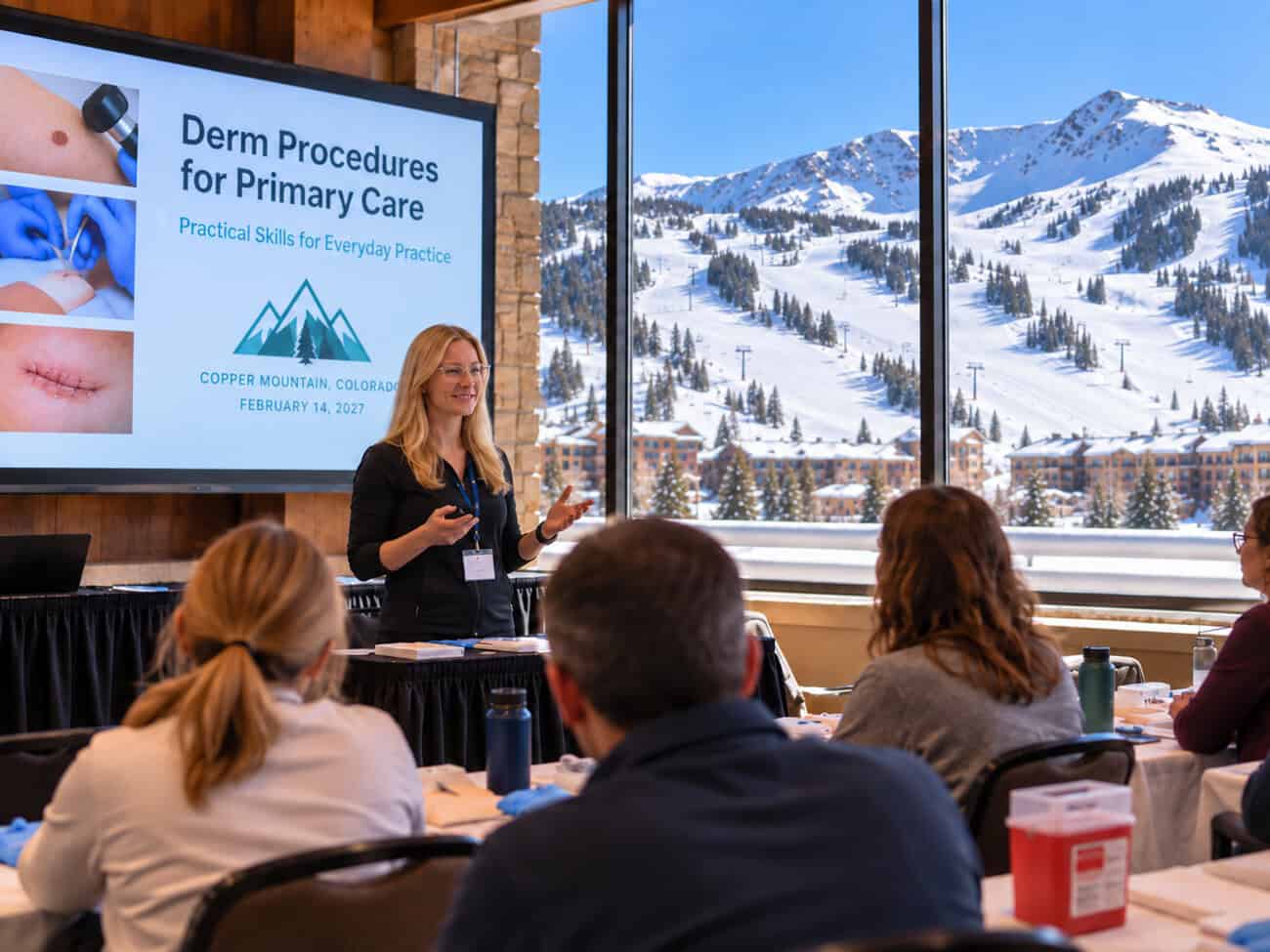
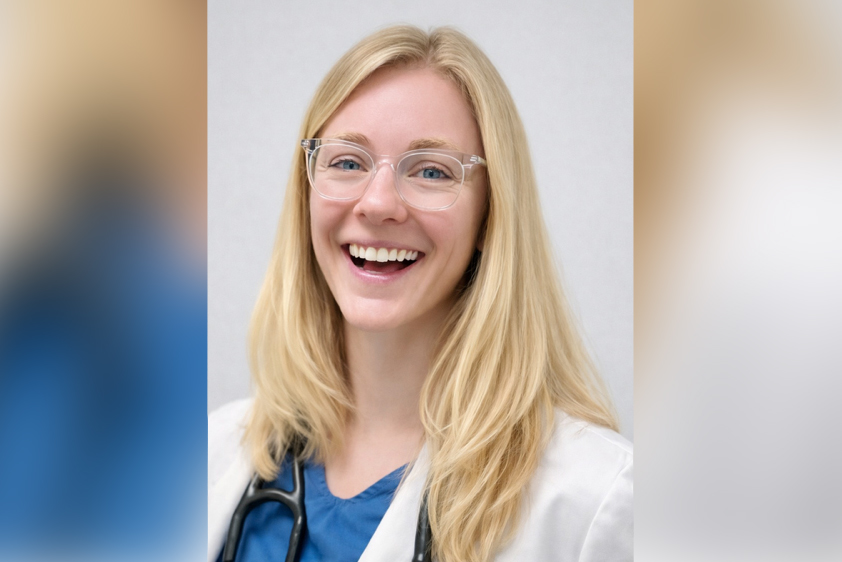
Tess MacQueen, MS, PA-C., Dermatology Diplomate Fellow, will lead Derm Procedures for Primary Care at Copper Mountain, Colorado, on February 14, 2027.
Bringing Practical Dermatology Into Primary Care
At Pine Point Medical, Tess MacQueen, MS, PA-C., Dermatology Diplomate Fellow, brings advanced dermatology training into her work with patients and other healthcare professionals.
That expertise also extends beyond the practice.
In February 2027, Tess will lead Derm Procedures for Primary Care at Copper Mountain Resort in Colorado. The hands-on continuing medical education course will teach healthcare providers practical skills in lesion recognition, shave and punch biopsies, cryotherapy, suturing, and determining when treatment or referral is appropriate.
Healthcare professionals can learn more in our article about Tess MacQueen’s upcoming dermatology CME conference.
This focus reflects an important part of primary care. Skin concerns frequently appear during routine visits, and recognizing when something needs further evaluation can help patients receive appropriate care sooner.
Frequently Asked Questions About Skin Spots
When should I worry about a mole?
Pay attention to a mole that is new, changing, bleeding, itching, painful, or noticeably different from your other moles. The ABCDE guidelines can also help you recognize changes worth discussing with a healthcare provider.
Can my primary care provider check a suspicious skin spot?
Yes. A primary care provider can often perform an initial evaluation, review your risk factors, and determine whether monitoring, treatment, biopsy, or referral is appropriate.
Does every changing mole need a biopsy?
No. Many changing or unusual spots are benign. Your healthcare provider can evaluate the area and determine whether a biopsy or additional evaluation makes sense.
Should I take pictures of my moles?
Photos can be useful for tracking changes in size, shape, or color. Try to use similar lighting and distance each time. However, photographs do not replace a professional evaluation if a spot concerns you.
Can skin cancer occur somewhere that never sees the sun?
Yes. Although many skin cancers occur in sun-exposed areas, they can develop elsewhere, including the palms, soles, beneath nails, and other areas.
When should I see a dermatologist instead of primary care?
You can often start with your primary care provider. They can determine whether the concern can be evaluated or treated in primary care or whether a dermatology referral is the better next step.
Have a Skin Spot You’re Not Sure About?
You do not need to decide on your own whether a changing mole, persistent sore, unusual growth, or new skin spot is serious.
At Pine Point Medical, we take skin concerns seriously while looking at your health as a whole. Our team can evaluate changes, discuss your individual risk factors, and help determine whether monitoring, treatment, biopsy, or specialist care makes sense.
If you have noticed a skin spot that is new, changing, bleeding, non-healing, or simply concerning to you, contact Pine Point Medical to schedule an appointment in Lansing, serving patients throughout Ithaca and the Finger Lakes region.