Microdosing GLP-1 Medications: A Gradual Approach to Weight Loss
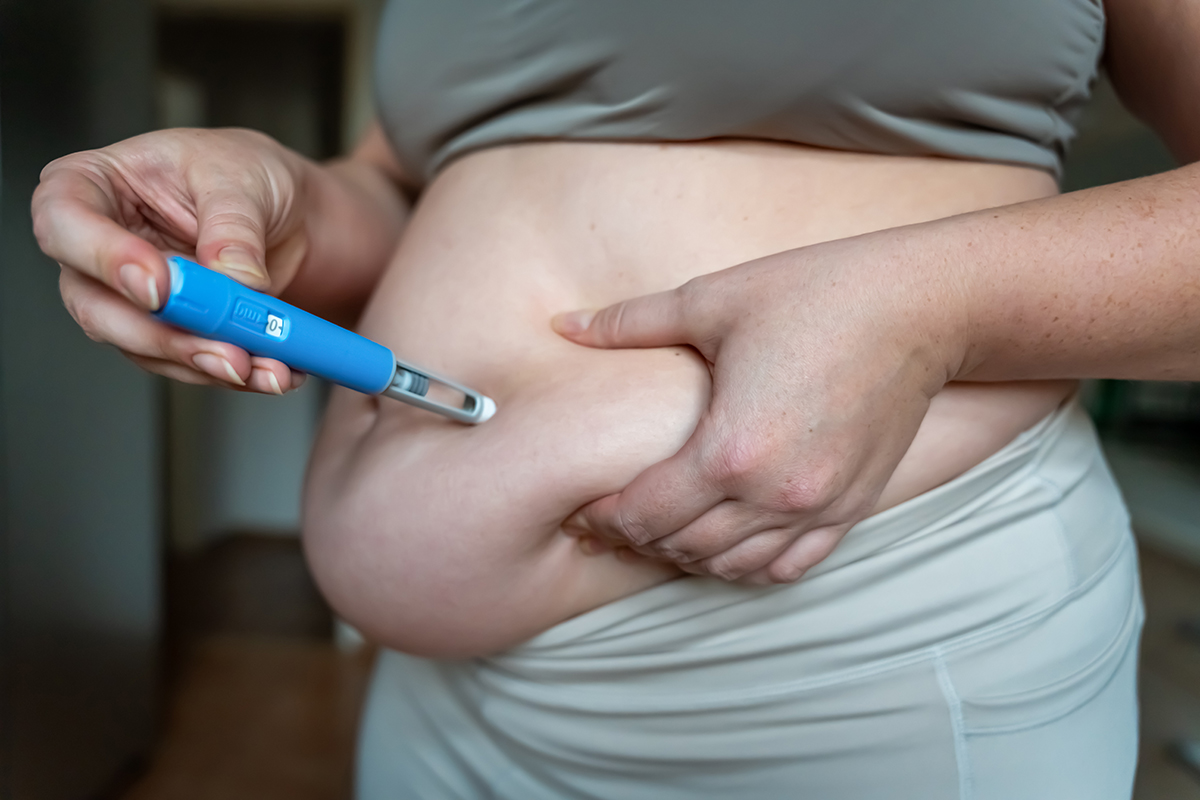
GLP-1 medications such as semaglutide and tirzepatide are changing how medical providers approach weight loss. These treatments work with the body’s natural hormone pathways to regulate appetite and metabolism. As a result, many patients are seeing meaningful progress when traditional approaches have not worked.
Recently, another concept has begun to gain attention: microdosing GLP-1 medications. Instead of quickly increasing to higher doses, this strategy focuses on gradual adjustments and individualized treatment plans.
At Pine Point Medical, patients often ask whether a microdosing approach may support steady progress while reducing side effects. Understanding how this strategy works can help patients decide whether it may be appropriate as part of a medically supervised weight loss plan.
What Are GLP-1 Medications?
GLP-1 medications are a class of treatments that mimic natural hormones involved in appetite regulation and blood sugar control. These hormones signal the brain that the body is full after eating. Consequently, patients often feel satisfied sooner and experience fewer cravings.
Two of the most widely used medications in this category include:
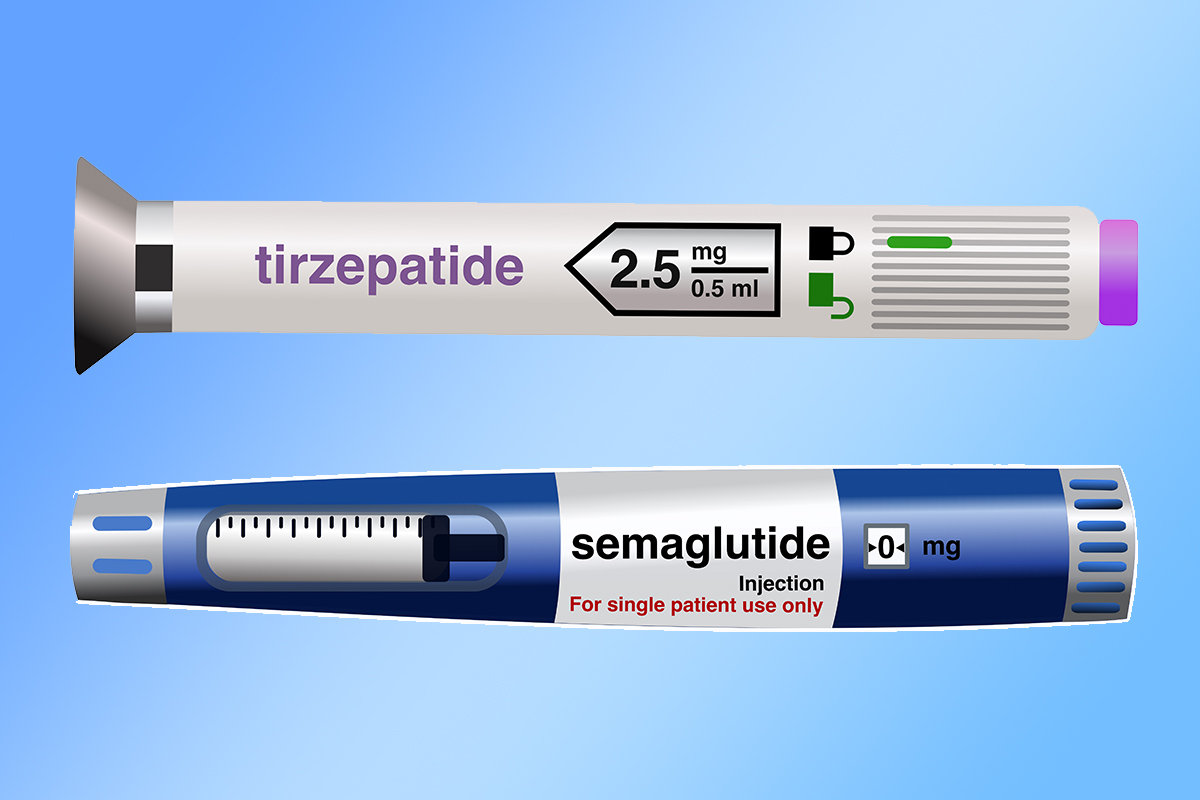
- Semaglutide (Ozempic®, Wegovy®, Rybelsus®)
- Tirzepatide (Mounjaro®, Zepbound®)
Both medications support weight loss by improving appetite control and metabolic regulation. However, tirzepatide works slightly differently because it activates both GLP-1 and GIP pathways, which may enhance metabolic response.
According to the National Institute of Diabetes and Digestive and Kidney Diseases (NIDDK), medications that influence appetite hormones can help regulate hunger signals and improve metabolic health when used under medical supervision.
When combined with lifestyle changes, these medications can help many patients achieve meaningful weight loss.
What Does “Microdosing” GLP-1 Medications Mean?
Microdosing refers to using smaller doses of medication and increasing them more gradually over time. Instead of following the traditional step-up schedule quickly, the dosing progression may move more slowly depending on a patient’s response.
Microdosing may involve:
- Starting with very small initial doses
- Increasing dosage more gradually
- Remaining at lower doses longer
- In some cases, spacing injections further apart
However, microdosing should always be medically supervised. Adjusting medication without guidance can lead to ineffective treatment or unnecessary side effects.
The goal of microdosing is not to slow results unnecessarily. Rather, it focuses on helping the body adapt gradually while maintaining comfort and sustainability.
Why Some Patients Prefer Microdosing
Not every patient responds the same way to medication. Some individuals tolerate standard dosing schedules easily. Others prefer a slower approach.
Several factors often lead patients to ask about microdosing.
Reduced Side Effects
GLP-1 medications can sometimes cause digestive symptoms, especially when doses increase quickly. These may include nausea, stomach discomfort, or temporary fatigue.
By increasing dosage more gradually, some patients may experience fewer or milder side effects while their body adapts.
Gradual Appetite Changes
For some patients, dramatic appetite suppression feels uncomfortable or difficult to manage. A slower approach allows appetite signals to shift gradually.
As a result, patients may find it easier to develop consistent eating patterns and sustainable habits.
Flexible Treatment Plans
Every weight loss journey is different. Microdosing allows providers to adjust treatment based on several factors:
- Individual tolerance
- Lifestyle and activity levels
- Weight loss goals
- Metabolic health markers
This flexibility can help patients maintain progress while minimizing disruptions to daily life.
Microdosing vs Standard GLP-1 Dosing
Standard dosing schedules follow a structured progression designed to reach therapeutic levels safely.
For example:
Semaglutide often progresses through stages such as:
0.25 mg → 0.5 mg → higher doses
Similarly, tirzepatide typically increases through a staged schedule such as:
2.5 mg → 5 mg → 7.5 mg → higher levels
Microdosing does not ignore these guidelines. Instead, it may adjust the timeline. Some patients remain at lower doses longer or increase more gradually based on their response.
This individualized strategy allows providers to monitor progress carefully while prioritizing patient comfort.
Is Microdosing Effective for Weight Loss?
Many patients still experience meaningful weight loss while microdosing GLP-1 medications. However, progress may occur more gradually than with aggressive dosing schedules.
Importantly, medication works best when paired with supportive lifestyle changes. Nutrition, physical activity, sleep quality, and metabolic health all influence outcomes.
According to the National Institutes of Health (NIH), long-term weight management strategies that combine medication with lifestyle support tend to produce the most sustainable results.
In other words, medication helps regulate appetite. Yet consistent habits help maintain progress.
Is Microdosing Safe?
Microdosing can be safe when guided by qualified medical professionals. However, it should never be attempted independently.
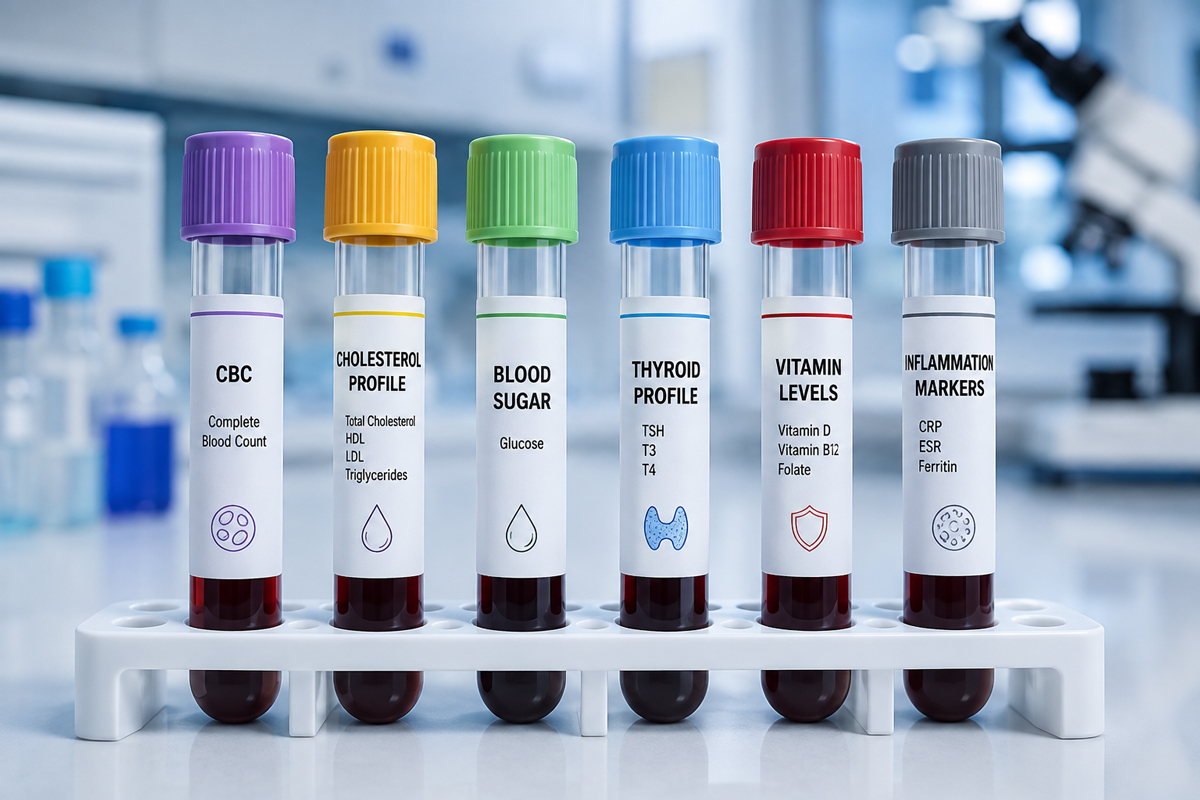
Providers monitor several factors throughout treatment, including:
- Weight changes
- Medication tolerance
- Side effects
- Metabolic health markers
These evaluations help ensure the medication remains both safe and effective.
At Pine Point Medical, dosing strategies are personalized and carefully monitored. Providers adjust treatment as needed to support safe, sustainable progress.
Microdosing GLP-1 Medications at Pine Point Medical
Medical weight loss at Pine Point Medical focuses on individualized care rooted in lifestyle medicine. Each patient begins with a consultation to review medical history, health goals, and treatment options.
If appropriate, treatment plans may include GLP-1 medications such as semaglutide or tirzepatide. In some cases, providers may also incorporate Vitamin B12 support to help promote energy and overall wellness during weight loss.
Additionally, patients may benefit from medically supervised athletic training to support movement, strength, and long-term weight maintenance.
This whole-person approach helps patients build sustainable habits rather than relying on medication alone.
When to Consider a Medical Weight Loss Consultation
A consultation with a medical provider may be helpful if you:
- Struggle with persistent appetite or cravings
- Have weight-related health concerns
- Want medically guided treatment options
- Have not achieved results with traditional dieting alone
Patients often travel to Pine Point Medical from Ithaca, Lansing, Dryden, and surrounding Finger Lakes communities to explore personalized weight loss solutions.
Understanding your options can help you make informed decisions about your health.
Start Your Medical Weight Loss Journey
If you are interested in learning whether semaglutide, tirzepatide, or a microdosing approach may be right for you, Pine Point Medical can help.
Our team provides medically supervised programs designed to support safe, sustainable progress.
Scheduling a consultation is the first step toward developing a personalized plan that aligns with your goals and overall health.
—————————–
FAQs About Microdosing GLP-1 Medications
What is the goal of microdosing GLP-1 medications?
Microdosing focuses on gradually introducing medication so the body can adapt more comfortably. The goal is steady, sustainable progress rather than rapid dose escalation.
Can microdosing reduce medication side effects?
Some patients find that slower dose increases may help minimize side effects such as nausea or digestive discomfort. However, results vary from person to person.
How long does microdosing typically last?
The timeline varies based on individual response. Some patients increase doses slowly over several months, while others transition to standard dosing schedules.
Do patients still lose weight with smaller doses?
Yes. Many patients still experience meaningful weight loss, although progress may occur more gradually than with higher doses.
Is microdosing appropriate for everyone?
Not always. Some patients benefit more from standard dosing schedules. A medical provider can determine the most appropriate strategy based on individual health factors.